

close
Choose Your Site
Global
Social Media
Views: 0 Author: Site Editor Publish Time: 2026-05-28 Origin: Site


Many riders relentlessly chase the myth of a perfect all-weather glove. They invest heavily in premium waterproof motorcycle gloves only to end up with soaked hands in a downpour, or sweaty hands in the sun. The frustration of compromised hand protection remains a universal riding dilemma.
When you hit 60 mph, wind forces rain into your gear under immense pressure. Meanwhile, your natural body heat creates heavy internal condensation. Choosing between waterproof and breathable barriers is not about finding magic materials. It is about aligning membrane physics, cuff design, and your local riding climate.
This guide strips away marketing fluff to reveal the physical limitations of weather-resistant membranes. We explain how to properly evaluate safety standards and comfort metrics. By the end, you will understand exactly how to choose the best motorcycle gloves for your specific riding realities.
No glove is permanently waterproof: Even premium membranes will eventually "wet out" under prolonged, wind-driven rain.
Wear technique matters as much as materials: Rain running down your arms will defeat any waterproof glove. The jacket sleeve must always go over the glove cuff.
The heated grip paradox: Using heated grips with waterproof gloves in the rain reverses the membrane's physics, sucking water into the glove.
Safety first: Always prioritize EN 13594:2015 certified gloves with proper seam sealing, regardless of weather capability.
The optimal strategy: Most riders are best served by a two-glove system (one highly breathable, one strictly waterproof) rather than a compromised hybrid.
Understanding weather protection begins by acknowledging testing limits. Manufacturers often proudly display static laboratory test results. A common metric is the 1500mm hydrostatic head rating. In a lab, testers place a column of water over the fabric to see when it leaks. However, this static test completely fails to replicate real-world riding dynamics.
When you ride at highway speeds, you face the 60 mph wind-driven rain problem. Wind exerts tremendous kinetic force. It pushes water violently against knuckles, seams, and fabric pores. A glove rating passing a static lab test might fail within minutes on the highway. Pressure easily overwhelms basic water-resistant coatings.
We must define what makes a glove genuinely waterproof. Many brands sell "windproof" or "water-resistant" gear. These items use treated exterior fabrics like DWR (Durable Water Repellent). They usually feature unsealed seams. They offer zero protection in a sustained storm. True waterproof gear utilizes internal membranes like Gore-Tex or Hipora. More importantly, manufacturers must fully tape and seal every internal seam to block moisture ingress completely.
Yet, completely blocking external water creates a new issue. Breathability becomes mandatory in wet weather. Your hands constantly produce sweat, even in cold rain. A closed internal microclimate causes problems quickly. If a glove lacks breathability, sweat condenses rapidly inside the liner. Standard PVC or Dri-Lock gloves trap this moisture entirely. You end up with hands left cold and wet from the inside out. Furthermore, breathability allows your gear to dry rapidly between passing showers. A soaked interior takes days to dry without proper airflow.
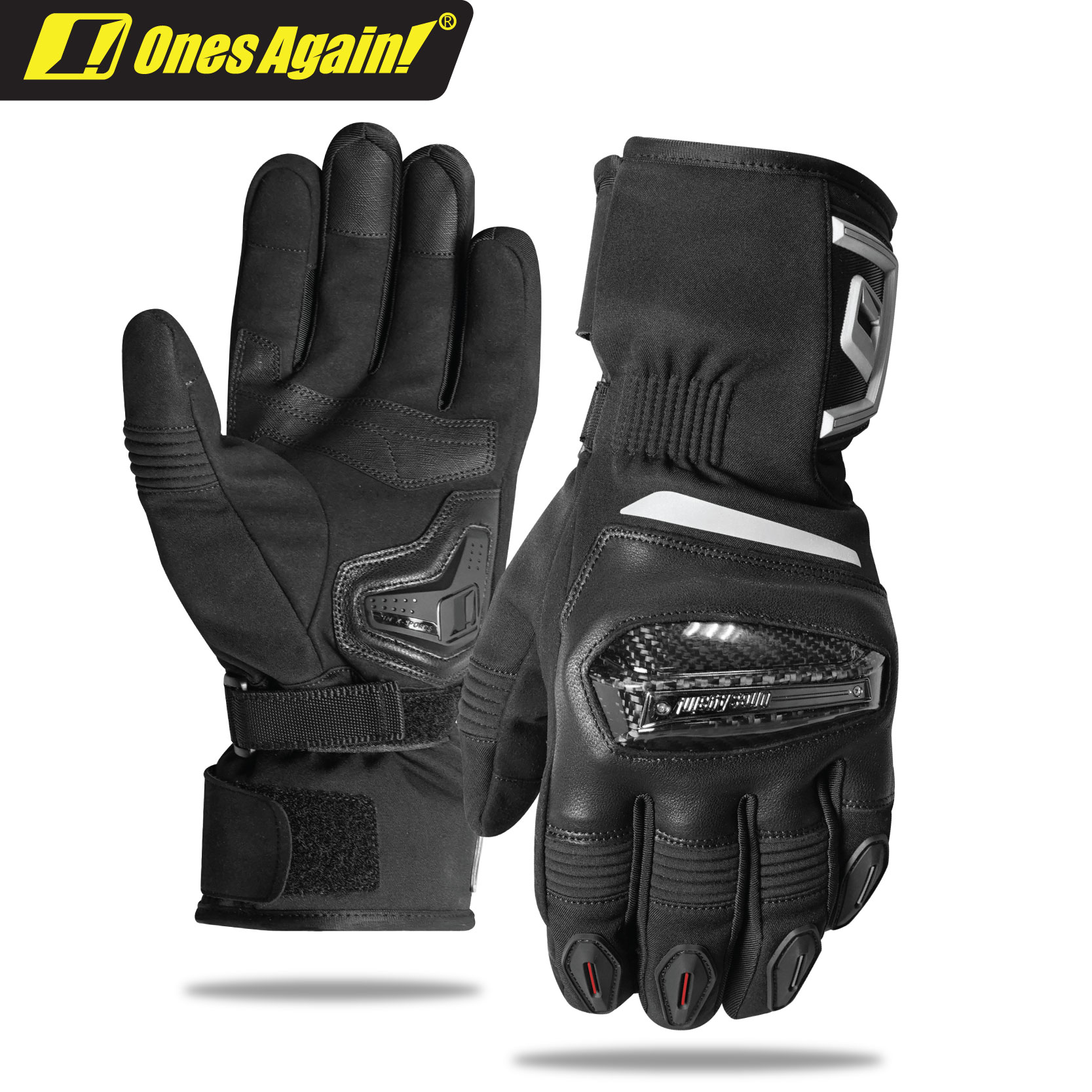
You can spend hundreds of dollars on premium gear and still suffer miserably in a storm. High-end materials cannot overcome poor user technique or basic physics. Even the most expensive products fail when used incorrectly.
Riders frequently commit one major error during rainstorms. They wear heavy gauntlets pulled entirely over their jacket sleeves. This seems logical to block oncoming wind. However, it creates a massive capillary action trap. Rain continuously hits your shoulders and channels down your arms. Gravity pulls this stream of water directly into the open bucket of your gauntlet cuff. Once inside, capillary action draws water deep down into the fingers.
The actionable fix requires a simple adjustment. You must layer your gear correctly to mimic roofing shingles. Tuck your cuffs underneath the jacket sleeve. Cinch the jacket sleeve tightly over your wrist. Water will run down your arm, shed safely over the cuff, and drop onto the road.
Modern breathable membranes rely on strict thermodynamic principles. Moisture always moves from a warm environment toward a colder environment. Inside your glove, body heat creates warm vapor. The cold rain outside draws this vapor through the microporous membrane. This keeps your hands dry.
Turning on heated grips during a rainstorm destroys this process. Heated grips make the palm exterior warmer than the interior. This instantly reverses the flow of moisture. The membrane begins actively pulling cold rainwater into the glove. You will feel soaked quickly, often blaming the manufacturer for a leak that physics actually caused.
Removing wet gear often leads to intense frustration. Standard waterproof designs use a floating liner loosely stitched at the fingertips. When your hands get damp from sweat, they stick to this fabric. Pulling your hand out easily turns the entire internal liner inside out. Stuffing wet fingers back into a reversed liner is nearly impossible on the roadside.
You can avoid this by shopping for bonded liner technologies. Systems like Gore-Grip permanently laminate the waterproof membrane to the outer shell. This ensures excellent tactile control on the throttle. It also guarantees effortless removal during fuel stops.
Weather resistance should never supersede crash protection. Your hands face severe risks during a slide. You must evaluate construction materials critically.
We always recommend establishing a safety certification baseline. Look strictly for EN 13594:2015 certified products. This European standard tests protective gear rigorously. You should verify three specific metrics before buying:
Abrasion Resistance: Measures how long the palm material survives a high-speed asphalt slide.
Seam Strength: Ensures the glove will not burst open upon initial impact.
Knuckle Protection (KP): Certifies the hard armor can absorb direct strikes safely.
You will typically see Level 1 or Level 2 ratings. Level 1 offers basic commuter protection. Level 2 provides track-ready abrasion resistance and mandatory knuckle armor.
Choosing between leather and textile depends heavily on weather priorities.
Material Type | Key Advantages | Weather Weaknesses | Best Suited For |
|---|---|---|---|
Full Leather | Superior abrasion resistance; conforms perfectly to hands over time. | Absorbs heavy water; takes days to dry; lacks natural breathability. | Cruisers, track days, dry summer riding. |
Full Textile | Lightweight; dries incredibly fast; integrates flawlessly with waterproof membranes. | Lower maximum slide time compared to thick race leather. | Off-road, heavy rain, cold weather touring. |
Hybrid Blend | Leather palms offer crash safety; textile backs provide flex and breathability. | Requires distinct care methods for mixed materials. | Daily commuters, ADV riders, all-weather travel. |
Cuff length also determines weather capabilities. Short cuffs excel during summer rides by maximizing airflow up your sleeves. However, they invite drafts and rain. True weather protection demands a long gauntlet. Gauntlets bridge the crucial gap between your wrist and your jacket sleeve.
Purchasing the wrong gear wastes money and creates miserable miles. You must align your selection with your primary use case. Use the chart below to establish a solid buying strategy.
Riding Profile | Primary Need | Recommended Gear Strategy |
|---|---|---|
Daily All-Weather Commuter | Maximum predictability and dry hands for the office. | High-end textile gauntlet featuring a bonded waterproof/breathable membrane (e.g., Gore-Tex). |
Summer / Off-Road Rider | Maximum heat dissipation and tactile feedback. | Highly breathable mesh or perforated leather short-cuff gear. Avoid waterproof membranes entirely here. |
Long-Distance Tourer | Scalability for rapidly shifting weather fronts. | The "Two-Glove" system. Wear a breathable hybrid primarily. Pack a dedicated rain gauntlet for severe storms. |
The daily commuter needs reliability. A sudden morning storm cannot ruin a workday. Textile gauntlets with bonded liners provide quick-drying efficiency. Conversely, off-road riders fight intense heat. Waterproofing acts as a liability in the dirt. It traps debilitating heat and causes rapid fatigue. Mesh fabrics serve them best.
Long-distance tourers face the highest unpredictability. They cross mountain passes and desert valleys in a single day. Trying to find one item to do everything usually fails. Carrying a primary breathable pair alongside heavy-duty backup motorcycle gloves ensures complete comfort across all environments.
Veteran riders understand a harsh reality. Multi-day torrential downpours eventually defeat any internal membrane. This saturation phase is called "wetting out." The exterior face fabric absorbs too much water. It blocks internal vapor escape completely. Your hands feel freezing, and the gear becomes incredibly heavy.
You can solve extreme scenarios using Rain Over-Gloves. These act as waterproof outer shells worn directly over your standard riding gear. They look cosmetically unappealing. They somewhat reduce tactile feel on switchgear. However, they remain functionally unbeatable for prolonged, severe rain. They prevent your expensive leather or hybrid gear from ever touching a drop of water. You arrive at your hotel with perfectly dry hands.
Deciding between waterproof and breathable gear represents a false dichotomy. The most effective waterproof gear must maintain high breathability to manage sweat. Conversely, dedicated breathable summer gear should completely avoid waterproof layers to prevent heat exhaustion. You cannot bend physics to create a perfect all-in-one solution.
Take time to audit your local climate patterns honestly. Check your current jacket sleeves to ensure they open wide enough to accommodate proper under-cuff layering. Always prioritize safety by investing in CE-certified gear featuring bonded liners. A strategic approach keeps your hands protected, dry, and firmly in control of the ride.
A: We strongly advise against using heated grips during heavy rain. Breathable waterproof membranes rely on a temperature gradient to push moisture outward. They move vapor from the warm inside to the cooler outside. Turning on heated grips warms the outside of the glove. This reverses the physical process. The membrane will actively suck external rain into the liner. You should rely on windguards or handlebar muffs instead of heated grips during wet weather.
A: Even premium weather-resistant gear will eventually saturate under harsh conditions. Depending on wind speed and rain volume, high-end outer shells may wet out within two to four hours. The external fabric absorbs water and becomes heavy, even if the internal membrane remains intact. This blocks internal vapor escape. Your hands will then get wet from trapped sweat. This highlights why high breathability is crucial to dry out quickly between storms.
A: Rain does not instantly ruin leather, but improper drying will destroy it. Leather requires careful maintenance after getting wet. You must dry soaked leather gear slowly at room temperature. Keep it away from direct heat sources like radiators or campfires. High heat strips essential oils, causing severe cracking and stiffness. Once completely dry, you must apply a quality leather conditioner. This restores flexibility and extends the lifespan of your protective gear.


