

close
Choose Your Site
Global
Social Media
Views: 0 Author: Site Editor Publish Time: 2026-05-28 Origin: Site


Long-distance riding demands immense physical and mental focus. You will face volatile weather shifts, driving rain, and draining crosswinds. Hitting the 500-mile mark in a single day requires gear you can completely trust. Standard commuter or sport jackets simply cannot handle these extremes. A dedicated motorcycle touring jacket is fundamentally different. It prioritizes micro-climate management, sustained ergonomics, and high-speed abrasion resistance over hours in the saddle. Minor flaws in standard gear cause immense fatigue. This fatigue compromises both your safety and your overall enjoyment on the road.
We built this guide to cut through the relentless marketing hype. We evaluate touring gear based on verified safety ratings, real-world weather performance, and practical investment value. You will learn how to identify the specific features you actually need. By understanding material science and garment architecture, you can choose a jacket perfectly suited for your next cross-country ride.
Material matters most: Textile dominates touring due to weight and weatherproofing; leather is secondary for long-haul touring.
Waterproofing methods define the price tier: Laminated waterproof shells command premium prices but prevent "wet-out," while drop-liners offer versatility at a lower cost.
Safety is measurable: Look for strict CE-rated armor (Level 2 preferred) and slide-tested abrasion zones (AA or AAA CE garment ratings).
Fit dictates fatigue: Articulated sleeves, adjustable collars, and layering room are critical for multi-day comfort.
Most riders begin their journey using basic street jackets. They quickly discover the severe limitations of this gear once they leave city limits. Riding across multiple states exposes you to relentless wind blast, shifting temperatures, and sustained physical stress.
Minor discomforts become massive liabilities over a 10-hour riding day. A collar flapping against your neck causes severe chafing. Loose sleeves beat against your forearms, draining your energy reserves. Poor ventilation slowly raises your core body temperature. This slow accumulation of stress creates severe rider fatigue. When fatigue sets in, reaction times drop dramatically. You lose focus, make poor decisions, and increase your risk of crashing. Touring gear exists specifically to eliminate these compounding stressors.
Single-season street jackets fail completely during touring. You might start your morning in a warm valley and climb a high-altitude mountain pass by noon. Temperatures can plunge thirty degrees in an hour. Standard mesh jackets leave you freezing in the mountains. Heavy commuter jackets boil you alive in the desert. You need a system designed to manage sweeping temperature changes and unexpected rain squalls simultaneously.
Street-focused jackets prioritize a sleek aesthetic over utility. They feature tiny pockets barely large enough for a modern smartphone. Long-distance touring requires robust cargo solutions. You need deep, waterproof pockets to store maps, earplugs, toll passes, and spare gloves. A true touring garment operates as a wearable toolkit, keeping essential items accessible without forcing you to dismount and unpack your luggage.
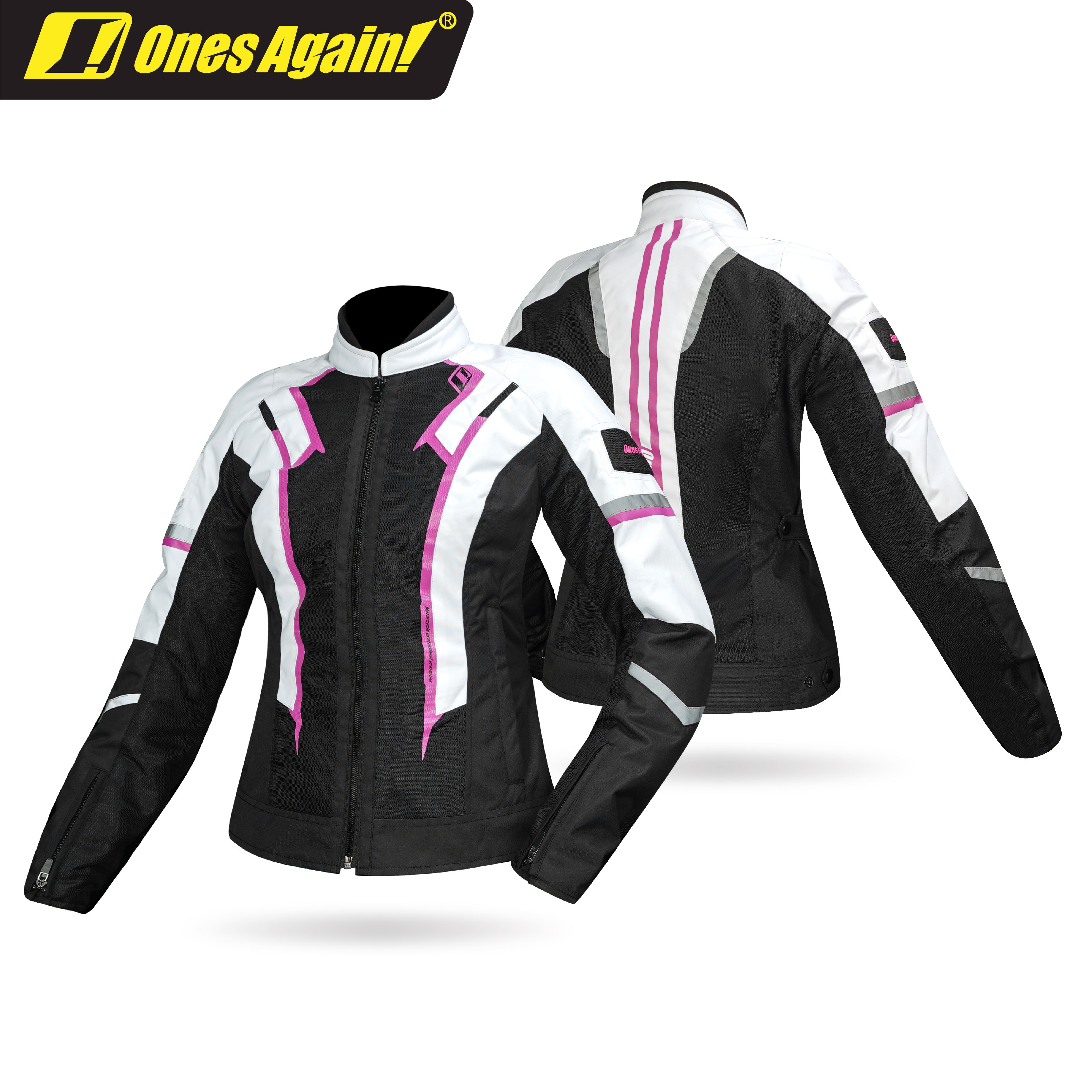
Evaluating touring gear requires looking past brand logos. You must understand the underlying technology and safety certifications. We evaluate jackets using three strict criteria.
Modern motorcycle gear relies on the European CE standard (EN 17092) for garment abrasion testing. This standard measures how well the fabric survives sliding across asphalt.
Class A: Suitable for urban riding and low speeds. It offers minimal abrasion resistance.
Class AA: The sweet spot for touring. It balances strong abrasion resistance with long-distance comfort and flexibility.
Class AAA: The highest protection level. It uses heavy materials designed for high speeds, though it often sacrifices ventilation and flexibility.
Impact protection comes from internal armor placed at the elbows, shoulders, and back. CE Level 1 armor absorbs basic impacts and feels lighter. CE Level 2 armor absorbs significantly more impact force. We strongly recommend upgrading to Level 2 armor for highway touring.
Waterproofing fundamentally changes how a jacket performs in the real world. Manufacturers use two primary methods to keep you dry.
Laminated jackets bond the waterproof membrane (like Gore-Tex Pro) directly to the outer shell material. Water hits the jacket and immediately beads off. The garment dries incredibly fast. It never feels heavy or soggy. However, laminated technology commands a premium price.
Z-Liner or drop-liner jackets suspend the waterproof membrane inside the jacket, behind the outer shell. The membrane keeps your body dry. Unfortunately, the outer shell absorbs rainwater. This creates the "wet-out" effect. The soaked outer shell becomes heavy. As wind hits the wet shell, evaporative cooling freezes your core. Drop-liners cost less but struggle in prolonged, heavy downpours.
Airflow design dictates hot-weather survival. Direct-to-body venting features zippers opening directly to your skin. This maximizes cooling. Indirect venting routes air over a waterproof liner. It cools the liner, but you never feel the direct breeze. Direct venting is vastly superior for summer riding.
A touring jacket must mimic your riding posture. Manufacturers use articulated, pre-curved arms to prevent thick material from bunching inside your elbows. You should also look for multi-point adjustability. Straps on the waist, biceps, and forearms allow you to cinch the jacket tight. This secures the internal armor in place and prevents wind buffeting. Finally, examine the collar mechanisms. Look for soft neoprene edges and hook-back loops. These features pin the collar open during hot weather to prevent chafing.
No single jacket works perfectly for every climate on earth. You must select an architecture matching your primary riding environment.
Category 1: The 4-Season Premium Laminated Shell (High Budget)
Ideal for: High-mileage, all-weather riders, and ADV-touring enthusiasts.
Pros/Cons: These shells offer ultimate weather protection. They remain lightweight even in torrential rain. However, the laminated layers restrict airflow slightly in extreme heat. They also require a very high upfront financial investment.
Category 2: The 3-Layer Modular/Textile System (Mid Budget)
Ideal for: Riders facing wide temperature swings who do not mind stopping to zip layers in and out.
Pros/Cons: Modular systems provide excellent versatility and outstanding value. You can strip them down to basic mesh or build them up for winter. The main drawback is wet-out risk. The outer shell will get waterlogged in heavy rain unless you wear a separate rain suit over it.
Category 3: The Summer Mesh Touring Jacket (Specialty)
Ideal for: Hot-climate touring across the Southwest US or Southern Europe.
Pros/Cons: Mesh jackets deliver maximum airflow. They usually include a lightweight, removable rain shell to block chilly morning winds. They are strictly a single-season application and offer little warmth in cold weather.
Summary Chart: Jacket Architecture Comparison
Architecture Type | Best Climate | Waterproofing Method | Primary Drawback |
|---|---|---|---|
Premium Laminated | Cold, Wet, Moderate | Bonded Outer Shell | High price, less summer airflow |
3-Layer Modular | Multi-climate, variable | Internal Drop-Liner | Outer shell absorbs rain (Wet-out) |
Summer Mesh | Extreme Heat, Desert | Separate Rain Over-shell | Zero cold-weather insulation |
We analyze the current market leaders to help you match your specific needs with proven gear.
The Klim Badlands Pro represents the pinnacle of adventure touring gear. It utilizes a Gore-Tex Pro laminated shell, ensuring water instantly sheds from the surface. It boasts a rare CE AAA safety rating, providing track-level abrasion resistance in a touring cut.
Why it wins: Unmatched weatherproofing, massive direct-to-body ventilation zippers, and robust Superfabric impact zones.
Compromise: It features a notably bulkier fit. The stiff materials require an extensive break-in period. The premium price point places it out of reach for casual riders.
The Andes v3 offers tremendous versatility for riders avoiding extreme winter weather. It uses Alpinestars' proprietary Drystar drop-liner system. It provides comprehensive thermal mapping to keep your core warm during chilly morning departures.
Why it wins: It delivers reliable drop-liner waterproofing and exceptional multi-season comfort at a highly accessible price.
Compromise: You face a strong wet-out risk in prolonged downpours. It also lacks the extreme airflow needed for scorching desert days.
When temperatures crest ninety degrees, you need maximum airflow without sacrificing safety. The Tornado series utilizes high-denier PWR shell mesh across the chest, back, and arms.
Why it wins: The heavy-duty mesh provides vital safety without causing heat exhaustion. It includes a smart two-in-one thermal/waterproof liner you can wear separately off the bike.
Compromise: You will need to bring a heavy, separate rain over-jacket to survive serious cold fronts or torrential storms.
Buying the most expensive jacket solves nothing if it fits poorly. Touring gear relies heavily on correct sizing to function safely.
Manufacturers design gear around specific regional fit models. American-cut jackets (like Klim or Joe Rocket) feature a boxy, relaxed fit. They provide ample room in the chest and shoulders for larger body types. European-cut jackets (like Rev'It! or Alpinestars) utilize an aggressive, tapered fit. They sit closer to the body and taper sharply at the waist. If you possess a broad chest, a European jacket will feel painfully restrictive. Understanding your body type dictates which brands you should explore.
Fit Profile Guide
Fit Style | Common Brands | Torso Profile | Arm Cut |
|---|---|---|---|
American Cut | Klim, Firstgear, Tourmaster | Boxy, relaxed waist, broad chest | Wider bicep, looser forearm |
European Cut | Rev'It!, Alpinestars, Dainese | Tapered waist, athletic chest | Snug bicep, pre-curved aggressive fit |
You must account for under-layers when sizing your jacket. We advise readers to size up slightly if they plan to use thick heated base layers or bulky fleece mid-layers. However, use caution. If you size up too much, the jacket becomes overly loose during summer when you remove those layers. Loose gear is dangerous. In a crash, a loose sleeve allows the elbow armor to rotate away from the impact zone, leaving your joint entirely unprotected. Always test the fit using the cinch straps.
High-end touring jackets do not feel comfortable on day one. Heavy-denier textile fabrics, especially those infused with laminated Gore-Tex, feel incredibly stiff. They often resemble wearing a cardboard box initially. Set your expectations accordingly. You must wear the jacket for several weeks to soften the fabric and mold the armor to your body heat. Do not return a premium jacket simply because it feels rigid during the first fitting.
Most riders prefer zipping their jacket to their riding pants. This prevents the jacket from riding up and exposing your lower back during a slide. Warn yourself about brand compatibility. Zipper gauges rarely match across different manufacturers. You cannot easily zip a Klim jacket to Alpinestars pants. Furthermore, back and chest protector pockets utilize proprietary shapes. If you buy a Rev'It! jacket, you must buy a Rev'It! back protector insert.
Finding the perfect motorcycle touring jacket requires matching your budget to your reality. If you ride through intense, multi-day rainstorms and freezing temperatures, a premium laminated shell justifies its high cost. If you ride strictly in hot weather, a heavy-duty mesh jacket ensures your survival. For most casual tourers facing mixed conditions, a 3-layer modular textile system offers the best balance of price and performance.
Before purchasing, measure your chest and arm length while wearing your preferred base layers. Cross-reference these numbers with the specific manufacturer's size chart. Never assume your t-shirt size matches your motorcycle gear size. Finally, purchase from retailers offering favorable return policies. Sit on your actual motorcycle wearing the new jacket. Reach for the handlebars to check sleeve length and shoulder binding. Verify the collar does not choke you in the riding position before you ever hit the highway.
A: You need Gore-Tex if you frequently ride through extreme, multi-day rainstorms. The Gore-Tex brand guarantees exceptional waterproofing and breathability, backed by a lifetime warranty. However, proprietary brand membranes work perfectly fine for occasional showers and save you significant money.
A: Leather provides excellent abrasion resistance but fails miserably as a touring garment. It lacks adequate ventilation for extreme heat. More importantly, leather becomes dangerously heavy and intensely cold when soaked by rain. It also takes days to dry completely.
A: Remove all armor panels first. Wash the jacket in a front-loading machine using a specialized tech-wash designed for technical fabrics. Avoid standard laundry detergents, as they clog waterproof pores. Afterward, toss it in the dryer on medium heat for twenty minutes to reactivate the factory DWR (Durable Water Repellent) coating.
A: They are similar but cut differently. ADV jackets feature a looser fit to accommodate aggressive off-road standing and bulky external body armor. Dedicated street-touring jackets feature a tailored, aerodynamic cut designed specifically for a seated, high-speed highway posture.


